 Skip to content
Answers Before You Book
CPR Class FAQs
These CPR class FAQs cover the questions we get most: how long they take, when you get your card, rescheduling and which class your job needs.
★ 5.0 on Google · Card the same day · Red Cross · HSI · Top 10% HSI Training Center
CPR Class FAQs: Booking and Class Day
Yes. We're an authorized training provider for the American Red Cross and HSI (ASHI). Your certification card comes directly from the organization that runs your course.
Most CPR, AED, First Aid and BLS certifications from the American Red Cross and HSI are valid for 2 years from your class date. Your card shows the exact expiration date.
Yes. Every student gets a workbook for their course. We also have PDFs you can download to your phone or tablet, so you leave with reference materials.
You need to be at least 13 to get a certification card. Younger kids can still take part and learn the skills, but they won't receive a card.
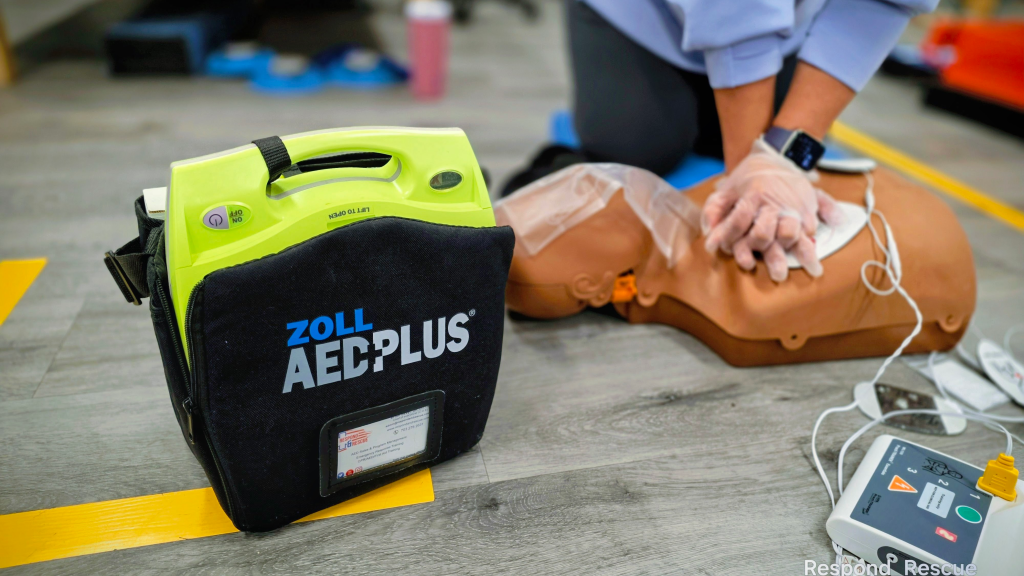
Our CPR classes require you to show each skill, which usually means kneeling on the floor next to a manikin. If that's hard for you, tell your instructor at the start of class. That way, we can talk through your options.
Need to change your date? You can reschedule for free with at least 48 hours notice. If you cancel 48 hours or more before class, we refund you minus a $25 fee. Inside 48 hours, you get a credit to use within 30 days.
Very often. We run public classes every week on our training calendar. On top of that, we teach on-site classes for businesses all the time, so we're busy whether you come to us or we come to you.
Our ratio is 15 students to 1 instructor at most. In practice, we keep public classes small. As a result, everyone gets enough hands-on time to pass with confidence.
For on-site training, our usual minimum is 8 people. That said, just ask and we can often work with smaller groups. The smallest on-site group we take is 5.
Choosing the Right Course
OSHA requires many workplaces to have staff trained in first aid and CPR. Plus, lots of employers ask for it even when it isn't required.
For example, people in these jobs often need a card: teachers and childcare staff, fitness trainers, construction and manufacturing crews, lifeguards, church and community groups, and workplace emergency response teams.
It depends on what your job or licensing office asks for. Here's a quick guide:
First Aid covers medical emergencies like stroke, diabetic problems and allergic reactions, plus injuries like bleeding and broken bones.
CPR and AED teaches you what to do when someone's heart stops or they're choking, and how to use an AED.
Bloodborne Pathogens is for people who might come into contact with blood at work.
Still not sure? Then check the Red Cross class guide or see all our CPR classes.
In-person CPR, AED and First Aid classes usually run 3 to 5 hours, depending on the course. Blended classes are shorter in the room: you do the online part first, then about 2 hours of hands-on skills with an instructor.
In-person classes run about 3 to 5 hours, which is standard across the industry. Shorter classes often cram too much in at once, so the skills don't stick. If time is tight, though, our blended classes cut your time in the room to about two hours.

